

A Detailed Review: The Zenaq Snipe S86XX Longcast for Zander Fishing
The Zander: Europe’s Premier Game Fish
Zander (Sander lucioperca) fishing stands as one of Europe’s most popular forms of sport fishing. This prominence stems from the species’ unique characteristics. A notably cautious predator with exceptional low-light vision, the zander is most active at night and presents a rewarding challenge to anglers. Its distinctive attack—often a sharp, unmistakable “tock” felt through the line—is a moment of high excitement prized by fishermen. A formidable opponent, zander can exceed one meter in length and weigh up to 15 kilograms.
Tactics and Techniques
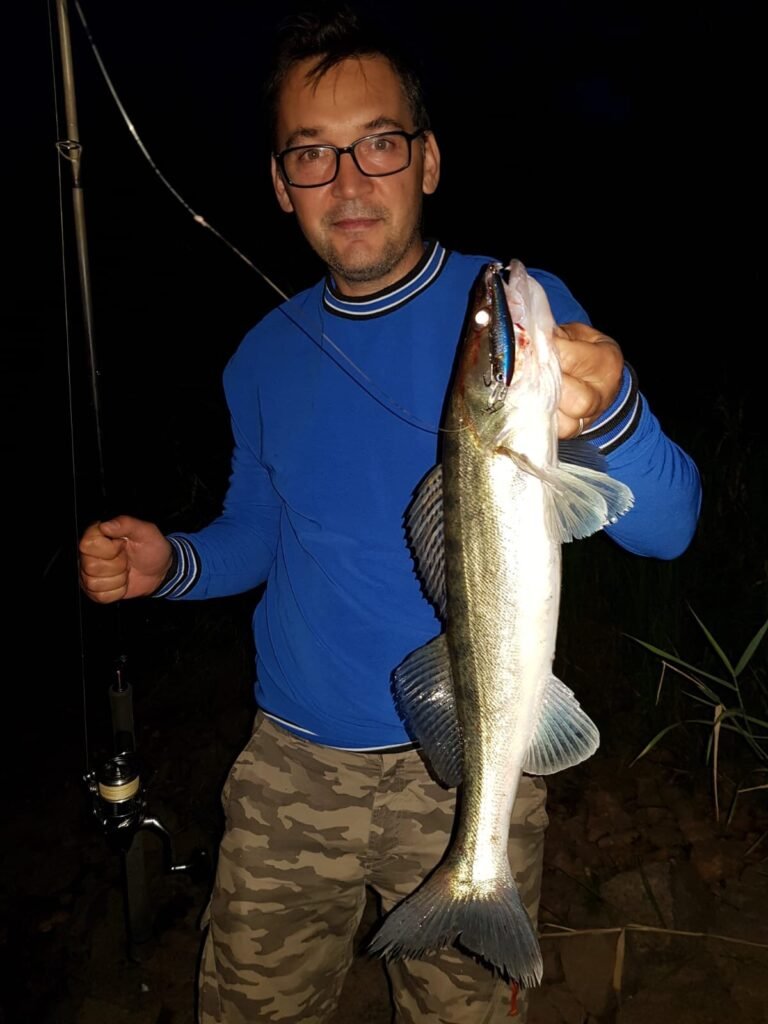
Zander fishing techniques vary widely, from active approaches using soft plastic lures and hardbaits to passive presentations with live or dead baitfish on the bottom or in mid-water. The most widespread method is jigging with softbaits mounted on lead heads. However, finesse techniques like the drop-shot, Carolina, or Texas rig can often prove more effective in certain conditions. For nocturnal fishing, hardbaits like minnows retrieved slowly through shallow waters, often near the bank, are highly effective for triggering strikes.
Tackle Considerations
The standard tackle for zander spinning consists of rods ranging from 2.4 to 3.0 meters, with 2.7 meters being the most versatile choice. Typical casting weights range from 35g to 60g, extending to 80g for heavy jigs, paired with reels in the 2500 to 4000 size class.
A central dilemma in zander rod selection is action. The fish’s bony mouth requires a sharp, fast-action rod to ensure solid hook sets. Yet, such rods can lack the elasticity needed to absorb powerful runs, leading to hook pulls. Conversely, slow, parabolic rods excel in the fight but can compromise hook-setting power. This has led many anglers, myself included, to seek a middle ground.
Finding the Ideal Compromise: My Journey to the Zenaq Snipe
My personal preference has always leaned toward semi-parabolic rods, similar to those used in salmon fishing, as they offer an optimal balance of sensitivity and flex. Over the years, I have tested numerous premium “zander-specific” rods from leading brands like Shimano, Daiwa, Abu Garcia, St. Croix, Sportex, and Xzoga. While many were exceptional for their time, advances in composite materials have since halved the weight of modern blanks. The challenge for manufacturers has been to create these lightweight rods without sacrificing speed, strength, elasticity, and versatility. For me, the Zenaq Snipe S86XX Longcast achieves this goal and more.
Prior to the Snipe, I used the excellent Daiwa AGS Tournament series but grew frustrated with lost fish during the fight. I sought a rod with a “soul”—one that was powerful enough for definitive hook sets, fast yet responsive, with a progressive, elastic blank that could absorb sudden surges to prevent unhooking. The Snipe S86XX proved to be precisely that instrument.
Detailed Specifications & Build
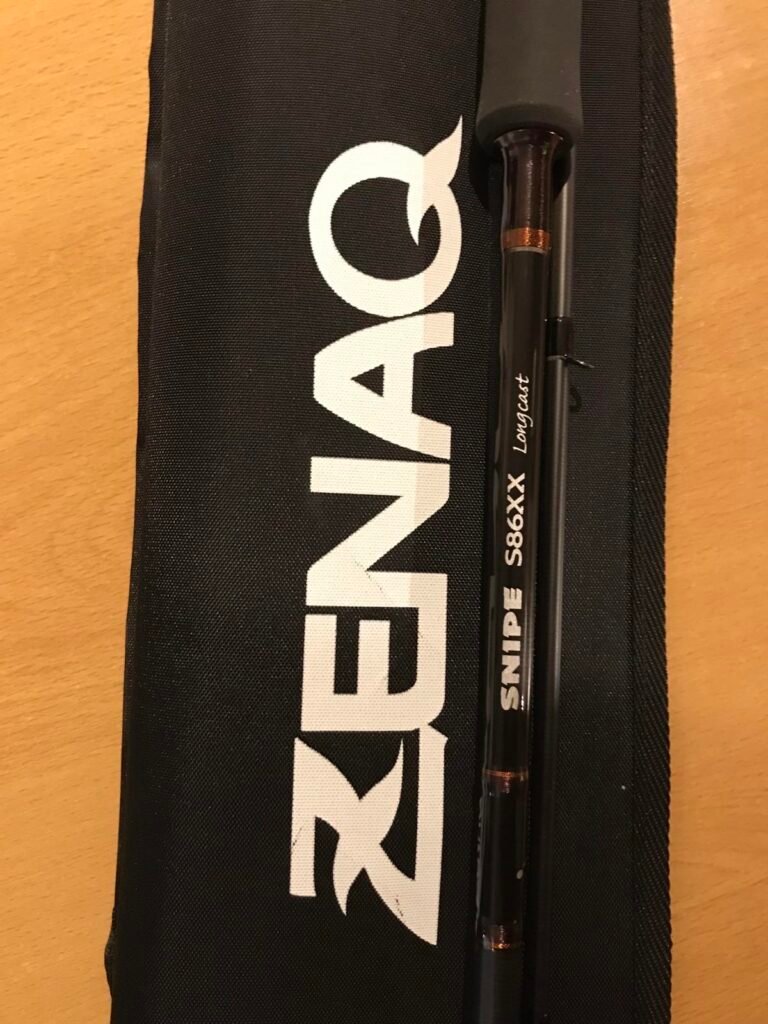
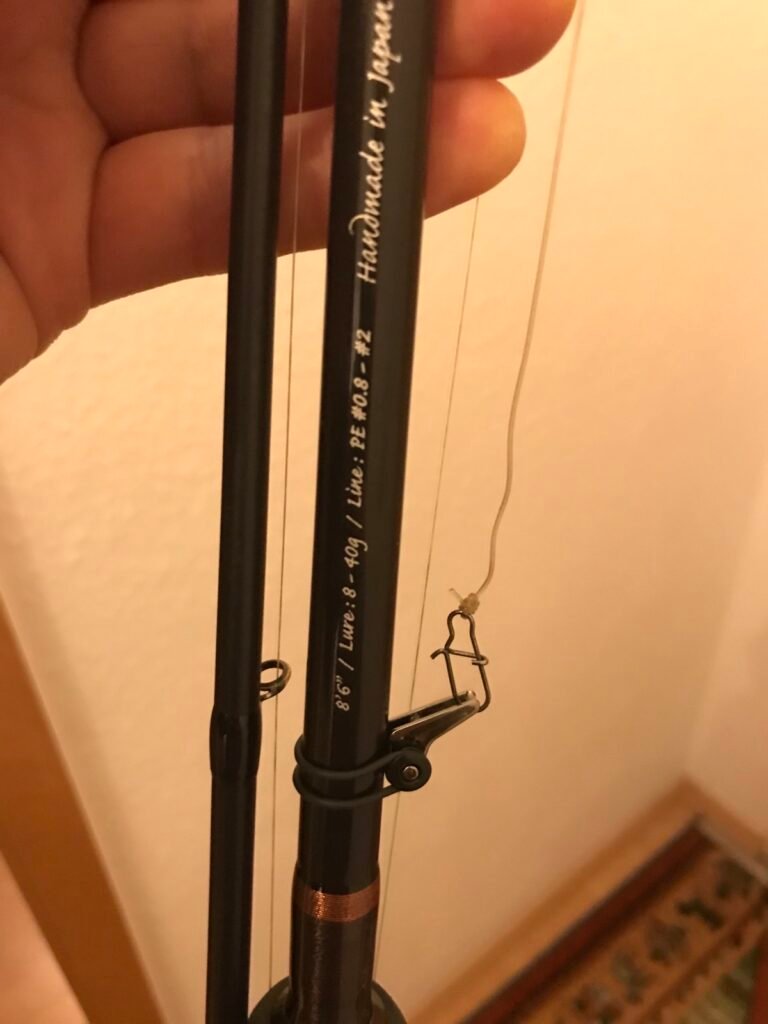
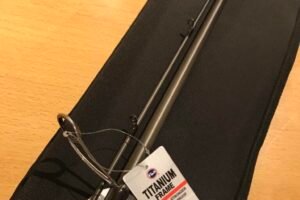
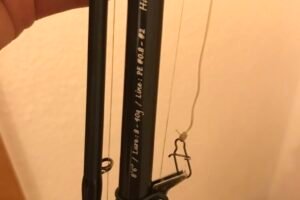
Measuring 2.59m (8’6″) with a casting weight range of 8-40g, the S86XX is the most powerful model in the Snipe series. Weighing approximately 150g, this handmade Japanese rod is built to handle virtually every zander scenario in my local waters. It features a high-quality, optimally distributed EVA grip on a Fuji VSS-16 reel seat.
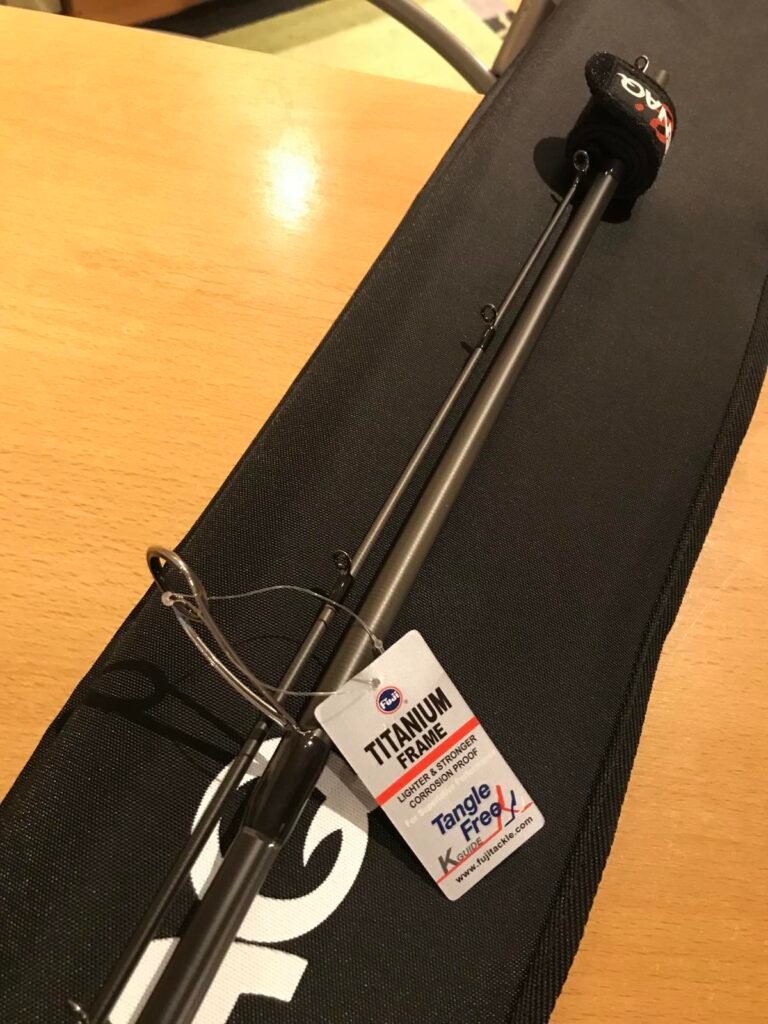
The Snipe offers two guide configurations: the K-version with 10+1 Fuji K guides (titanium frame, Torzite rings) and the RG-version with 13+1 Fuji Torzite guides plus two proprietary Zenaq RG guides. Note that Zenaq rods do not include a hook keeper; I added a Fuji model for convenience.
Performance Analysis
Action & Sensitivity: The blank is exceptionally responsive. When jigging, it transmits the bottom contour with perfect clarity, allowing immediate detection of the slightest tap—a critical advantage. It features a fast taper for quick recovery, despite a moderately soft tip.
Fish Fighting: The Snipe’s elasticity is superlative. It provides immediate feedback and complete control, with a perfectly balanced bending curve that has drastically reduced my hook-out rate.
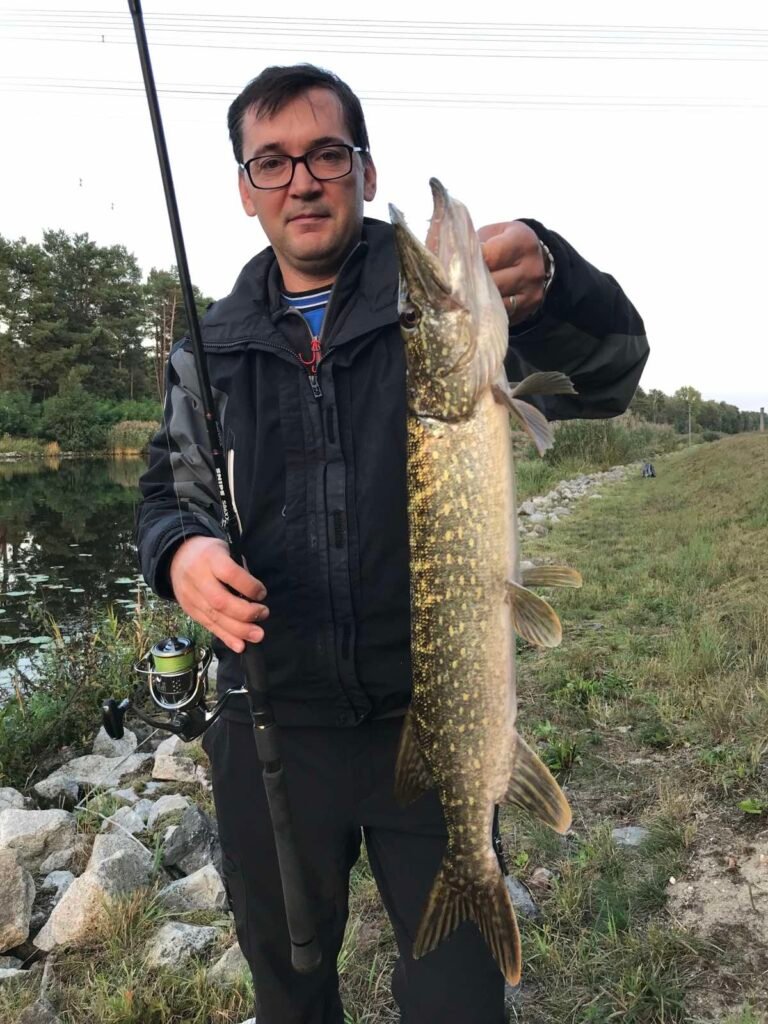
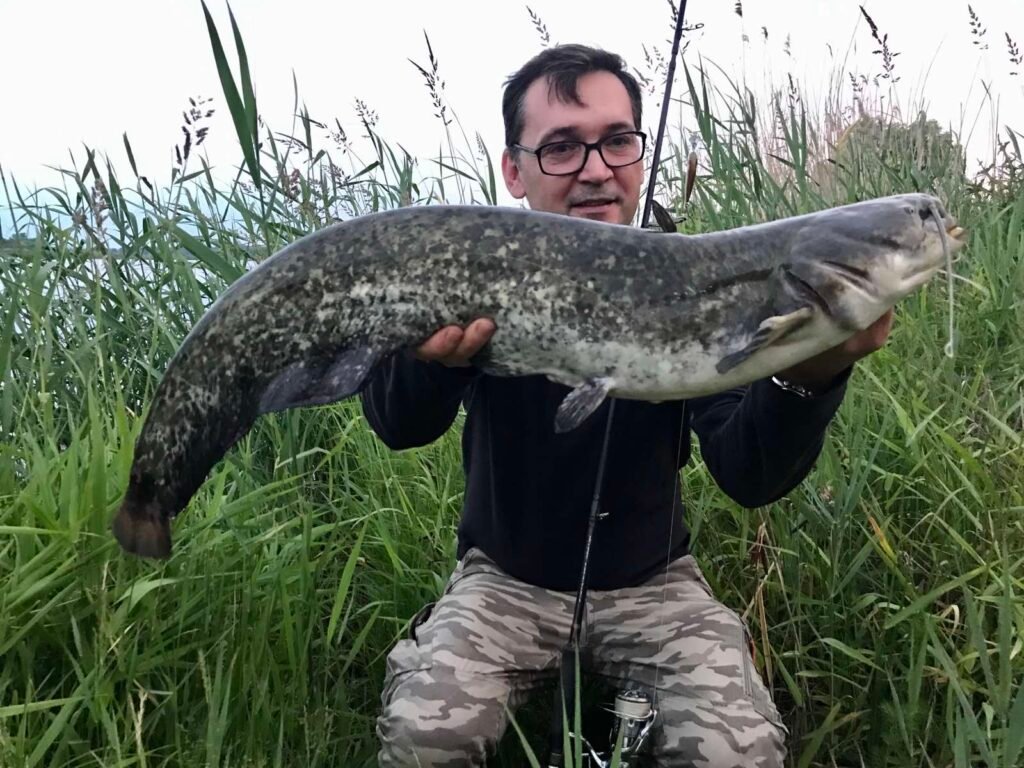
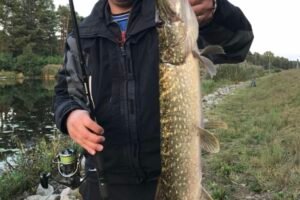
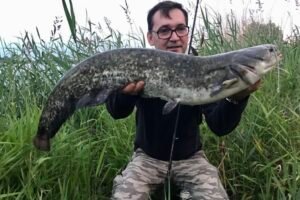
Power & Versatility: The blank possesses deep, progressive power, reserving substantial strength in the butt section for subduing large fish. This power and elasticity also make it capable against accidental catches like catfish and pike. Its casting performance and moderate tip softness also make it an outstanding choice for hardbaits, particularly for night fishing with minnows. It is highly effective for jerking, twitching stickbaits for asp, or general spinning. I find lipless cranks over 20g less optimal due to the softer tip, but overall, it remains the most versatile zander rod I have ever used.
Guides & Casting: The philosophy of many small-diameter guides ensures optimal line flow and impressive casting distance in calm conditions, especially with the RG model. However, performance can diminish in strong headwinds, and the small guides are prone to icing in freezing temperatures. The Torzite guides are lightweight and robust, but they can generate noise with certain braided lines. A smooth, round line like the 12-strand Daiwa Saltiga is recommended for optimal performance.
Long-Term Verdict
After nearly two years of consistent use, my initial caution has turned into absolute confidence. The Snipe S86XX is not merely a tool; it enhances the joy of fishing through its refined performance and impeccable balance. I pair it with a Shimano Stella 3000 FJ reel, though a 4000 size would also match perfectly.
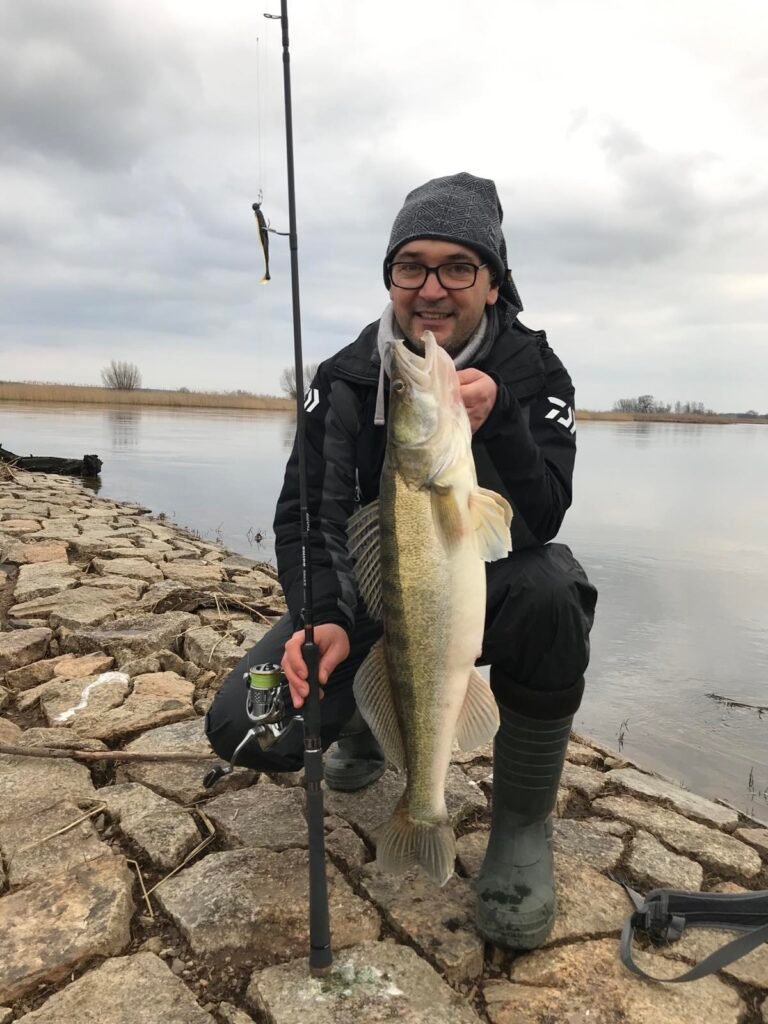
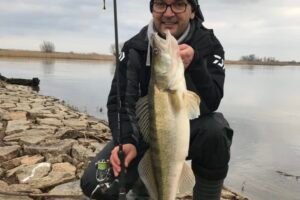
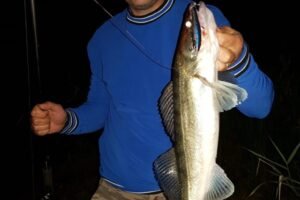
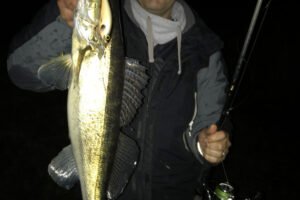
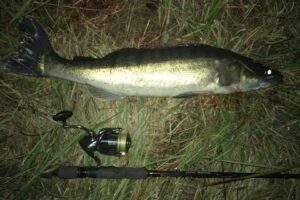
In this time, I have landed well over 100 zanders (including a 93cm specimen), a 1.83m (40kg) catfish that tested its durability to the limit, and numerous asp, pike, perch, and chub. Remarkably, I have lost only three or four substantial fish in all outings. For the angler seeking a single, supremely capable rod for European predator fishing, the Zenaq Snipe S86XX Longcast is an outstanding and highly recommended investment.



October 11, 2020 @ 7:43 pm
Hallo Goran, ich bin gespannt, ob wir beide es eines Tages schaffen, gemeinsam angeln zu gehen 😊